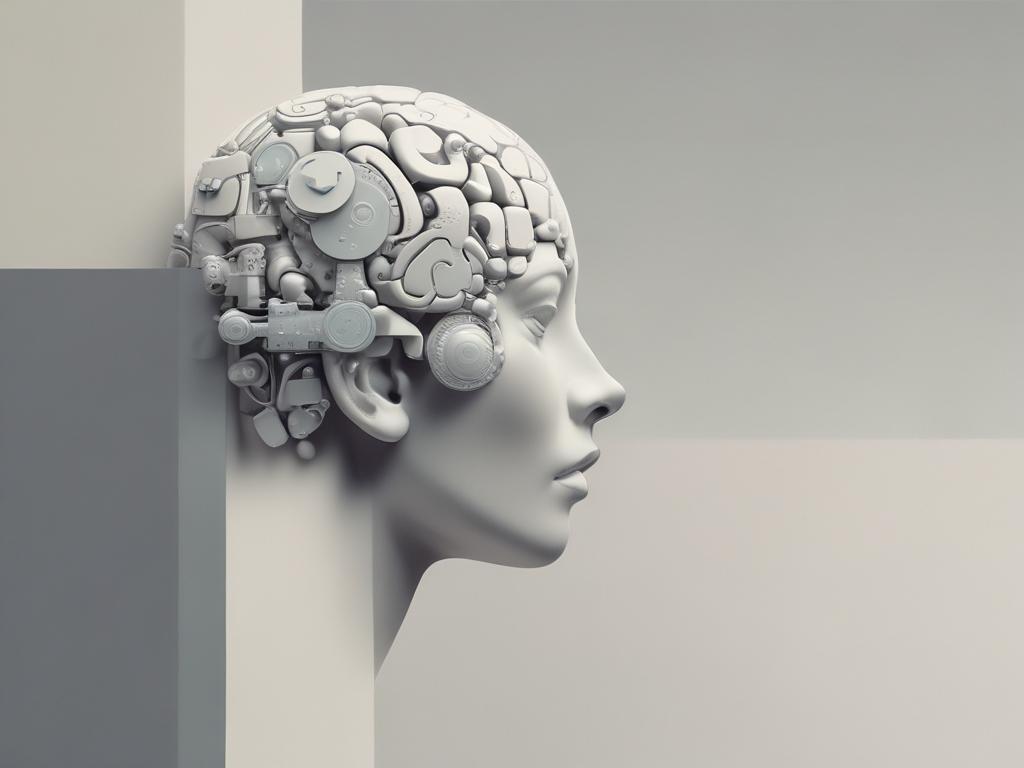
Artificial Intelligence (AI) is not just a technological trend; it is a powerful force that is reshaping our world in profound ways. As we explore how AI is revolutionizing various industries, we uncover innovations that are redefining processes, boosting efficiency, and enhancing decision-making across sectors such as healthcare, finance, manufacturing, and transportation. From predictive analytics in business to advanced diagnostic tools in medicine, AI is enabling organizations to operate smarter and more effectively, creating a ripple effect that benefits consumers and businesses alike.
Beyond industry transformations, the impact of AI permeates our daily lives, offering enhancements and conveniences we once only dreamed of. Smart assistants streamline our routines, personalized recommendations improve our shopping experiences, and AI-driven applications empower us to manage tasks with greater ease. As we delve deeper into the future possibilities of AI, we will discover how this incredible technology will continue to influence our everyday existence, making the world more connected, efficient, and enjoyable for everyone.
Explore how AI is revolutionizing various industries
Artificial Intelligence (AI) is rapidly reshaping industries by introducing unprecedented levels of efficiency and innovation. In the healthcare sector, AI-powered tools are accelerating diagnostics and personalizing treatment plans. By analyzing vast datasets, these technologies can detect diseases at earlier stages than traditional methods, significantly improving patient outcomes. Similarly, the financial industry leverages AI to enhance fraud detection, offer personalized financial advice, and streamline regulatory compliance, making financial systems safer and more accessible to consumers.
Manufacturing and logistics also witness a profound transformation due to AI technologies. Smart factories use AI-driven robotics to optimize production lines, reducing errors and increasing production speed. Predictive analytics allows companies to forecast demand accurately, which minimizes waste and enhances inventory management. Furthermore, the transportation sector benefits from AI through the development of autonomous vehicles, which promise to redefine how we move goods and people. As AI continues to advance, it paves the way for enhanced productivity and innovation across multiple domains, setting new standards for operational excellence.
The impact of AI on daily life: enhancements and conveniences
Artificial Intelligence is seamlessly integrating into our daily lives, making tasks simpler and more efficient. From virtual assistants like Siri and Alexa managing our schedules to smart home devices optimizing energy consumption, AI personalizes our experiences and saves us time. These technologies analyze our preferences and behaviors, allowing them to provide tailored recommendations for everything from shopping to entertainment. As a result, we enjoy a more streamlined and enjoyable lifestyle, with AI handling mundane tasks and freeing us up for more meaningful activities.
Moreover, AI enhances our safety and health through advanced applications. In the healthcare sector, AI algorithms analyze vast amounts of data to assist doctors in diagnosing diseases and recommending personalized treatment plans. Wearable technology, powered by AI, continuously monitors our vital signs and activity levels, alerting us to potential health issues before they escalate. In transportation, AI systems improve traffic management, reducing congestion, and enhancing road safety through smart navigation tools. These innovations demonstrate how AI not only enriches our comfort but also safeguards our well-being, transforming our everyday experiences in profound ways.
Future possibilities: How AI will continue to transform our world
As we look ahead, the possibilities for AI are both exciting and vast. Researchers and innovators are actively exploring how machine learning and natural language processing can enhance personalization across numerous platforms. From tailored marketing strategies that anticipate consumer needs to intelligent systems that optimize energy usage in smart homes, AI stands to reshape our interactive experiences. Healthcare technology, for instance, anticipates remarkable advances, with AI enabling earlier disease detection and personalized treatment plans that adapt to individual patients in real-time.
Moreover, AI will likely play a significant role in tackling global challenges such as climate change and resource management. By analyzing vast amounts of data, AI can identify patterns and offer solutions for sustainable practices, improving efficiency in industries like agriculture and manufacturing. As we continue to embrace AI technologies, the collaboration between humans and machines will usher in an era of innovation. This partnership will not only enhance productivity but also empower individuals to unleash their creativity, transforming our world in ways we can only imagine today.